First Responder Therapy in Ontario: Therapy by a Former First Responder
First Responder Therapy in Ontario: Why Even the Strongest Need Support
Elaine Saeed spent over 16 years as a Police Officer. She is now a Registered Psychotherapist (Qualifying) who specializing in helping First Responders and their families.
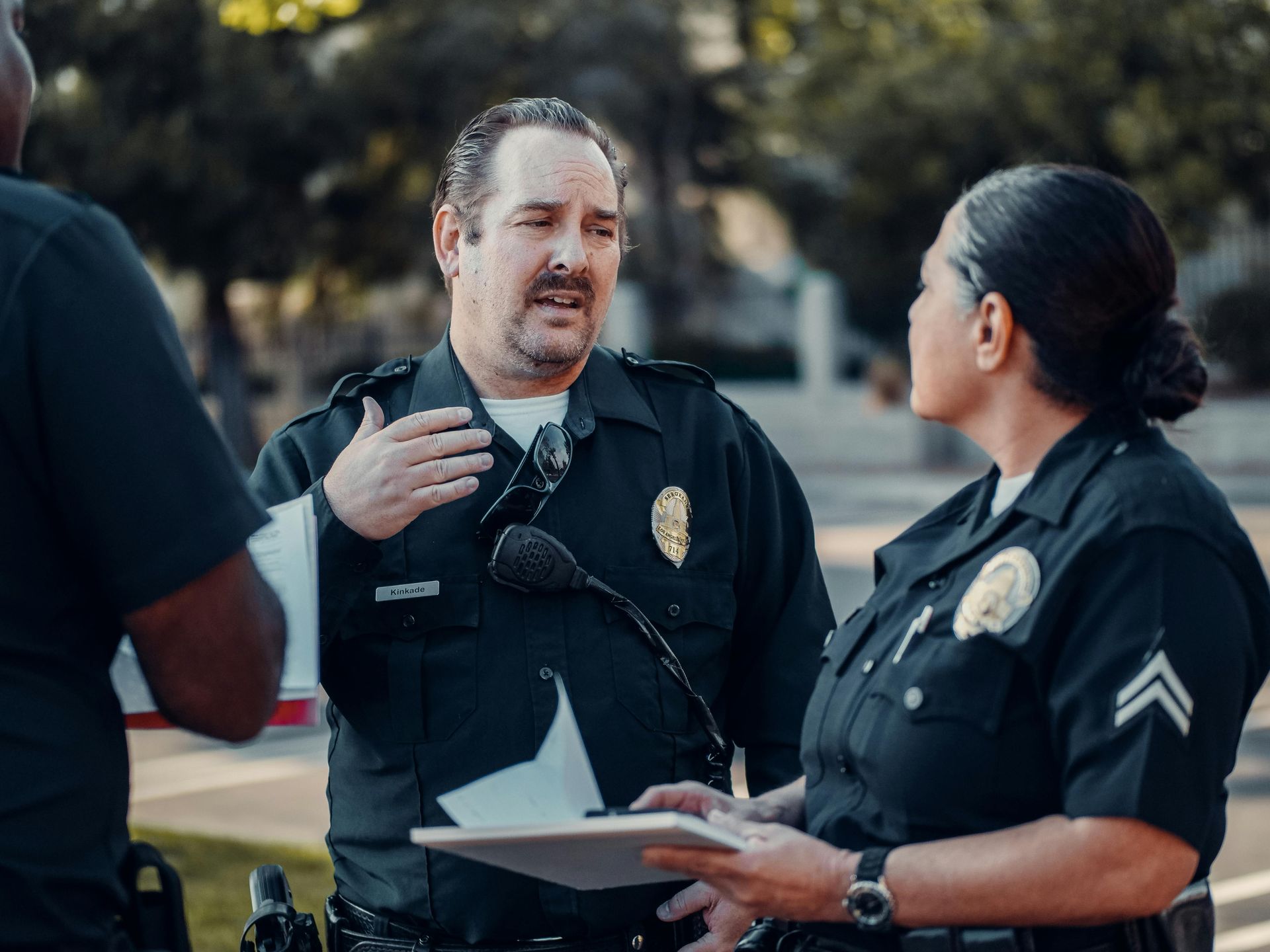
You spend your career helping others through their worst days. But who helps you?
As a first responder, you're trained to remain calm under pressure. Whether you're a police officer, firefighter, paramedic, correctional officer, dispatcher, or emergency healthcare worker, you're often the person everyone else depends on during a crisis.
You show up when others can't.
You make split-second decisions.
You witness situations most people never will.
But the emotional toll of this work doesn't disappear when your shift ends.
At CBT Wellness & Virtual Services, we provide confidential, trauma-informed therapy for first responders across Ontario. We understand that the job changes you—and seeking support isn't about weakness. It's about protecting your mental health, your relationships, and your career.
The Hidden Mental Health Challenges of First Responders
Most first responders don't experience just one traumatic event.
Instead, they carry the weight of repeated exposure to trauma, critical incidents, loss, violence, medical emergencies, and high-stress situations over many years.
Over time, this cumulative stress can begin to affect every area of life.
You may notice:
- Feeling emotionally numb or disconnected
- Increased irritability or anger
- Difficulty sleeping or relaxing
- Hypervigilance—even when off duty
- Anxiety or panic symptoms
- Intrusive memories or nightmares
- Burnout and emotional exhaustion
- Compassion fatigue
- Relationship conflict at home
- Feeling like no one outside the job understands
Many first responders tell us they can manage emergencies at work—but struggle to "turn it off" once they're home.
Why So Many First Responders Delay Therapy
There is still a strong culture within emergency services that values toughness, self-reliance, and pushing through.
Many people worry:
- "I should be able to handle this."
- "Other people have it worse."
- "What if someone finds out?"
- "I don't want to look weak."
- "Talking won't change anything."
These thoughts are incredibly common.
Unfortunately, waiting until you're completely burned out often makes recovery more difficult.
Just as you wouldn't ignore a physical injury, your mental health deserves attention before it reaches a crisis point.
Therapy Isn't About Weakness—It's About Maintenance
Elite athletes work with coaches.
Professional teams have trainers.
Emergency vehicles receive routine maintenance.
Your mental health deserves the same level of care.
Therapy for First Reponders provides a confidential space to:
- Process traumatic experiences
- Learn strategies to manage stress
- Reduce anxiety and hypervigilance
- Improve sleep
- Strengthen relationships
- Prevent burnout
- Build long-term resilience
- Return to feeling more like yourself
You don't have to be in crisis to benefit from therapy.
Many first responders use therapy proactively to stay mentally healthy throughout their careers.
Working With a Therapist Who Understands First Responder Culture
One of the biggest concerns we hear is: "I don't want to spend the whole session explaining my job."
That's why we're proud to have a therapist on our team who is a former police officer: Elaine Saeed.
Having lived the realities of shift work, operational stress, critical incidents, and the culture of emergency services, they understand many of the unique challenges first responders face.
Signs It May Be Time to Reach Out
Consider seeking therapy for First Responders if you notice:
- You're constantly on edge.
- You can't "switch off" after work.
- Your sleep has changed.
- You're avoiding people or activities you once enjoyed.
- Small frustrations feel overwhelming.
- You feel emotionally disconnected from loved ones.
- Work stress is affecting your home life.
- Alcohol or other coping strategies are becoming more frequent.
- You're simply exhausted all the time.
You don't need to wait until things become unbearable.
Virtual Therapy for First Responders Across Ontario
We know your schedule isn't always predictable.
Between shift work, overtime, court appearances, and family responsibilities, finding time for therapy can feel impossible.
That's why we offer secure virtual therapy throughout Ontario with flexible appointment times, allowing you to access support from the privacy of your own home or another confidential location.
Virtual therapy offers:
- Flexible appointment times and dates
- No commute
- Greater privacy
- Consistent care despite changing shifts
- Access anywhere in Ontario
You Spend Your Career Taking Care of Others-Let Us Take Care of You
Your career asks a great deal of you.
It also deserves support that recognizes those demands.
Taking care of your mental health doesn't make you less capable—it helps you continue doing the work that matters while protecting yourself and the people you care about.
If you've been carrying the weight of the job alone, you don't have to keep doing it that way.
Looking for First Responder Therapy in Ontario?
CBT Wellness & Virtual Services offers confidential, trauma-informed virtual therapy for first responders across Ontario, including police officers, firefighters, paramedics, correctional officers, dispatchers, and other emergency personnel.
If you're ready to invest in your mental health, we're here to help.