Virtual Art Therapy
Stick Figures Not Required: Creativity in Counselling
Nicolette Park, BNRN, RP(Q)
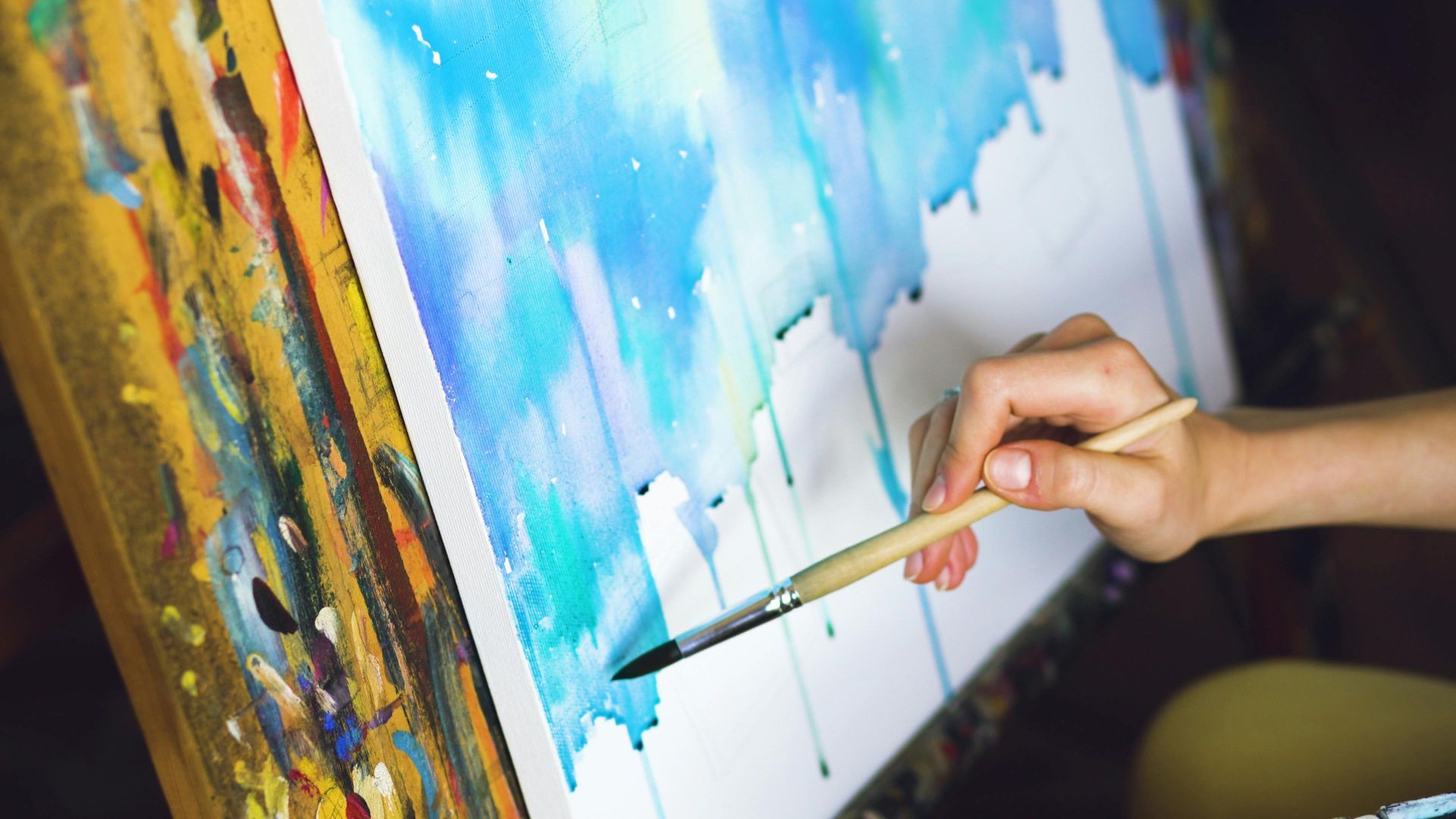
Raise your hand if you’ve ever said, “I can’t even draw a stick figure.”
If you haven’t said it yourself, you’ve likely heard someone else say it. This is an unfortunate self-limiting statement. Somewhere along the way, many of us decided that creativity belongs only to the “artistic”—the painters, the musicians, the naturally gifted.
Here’s something you may not have heard: you don’t need to be artistic to benefit from art therapy.
In fact, creativity is recognized by the World Health Organization as one of the top life skills because of its impact on resilience, problem-solving, and overall well-being. Art therapy isn’t about producing a masterpiece—it’s about externalizing what exists internally. Giving form to thoughts and emotions that feel too complex or too painful to put into words.
People have different reasons that traditional talk therapy doesn’t always feel accessible or comfortable. Some individuals struggle to communicate verbally. Others may feel disconnected when working with someone outside their cultural or social experience. Many arrive in therapy carrying a long history of feeling unheard, unseen, or unimportant.
When words fall short, creative expression can step in.
Creative approaches to counselling offer an alternative language—one that doesn’t rely solely on verbal communication. Through art, movement, music, or writing, individuals can begin to untangle the chaos they’ve held inside. The overwhelming or undefined can be shaped into something visible, tangible, and, most importantly, more manageable.
This process can be deeply empowering. Instead of trying to fit their experiences into predefined categories or clinical language, clients are given space to tell their stories in their own way—whether that’s through something concrete and detailed or abstract and symbolic. There is no “right” way to create, and that freedom or self-determination is often where healing begins.
What counts as “art?”
Just as there are many approaches to talk therapy, creative therapies are equally diverse. They are not confined to drawing or painting, though those are common starting points. Creative expression in counselling can include:
- Painting or drawing
- Collage-making
- Beading or other tactile crafts
- Dance and movement
- Music
- Writing and storytelling
- Digital art
What matters is not being the next Picasso, but the experience. Each form, each medium, offers a different pathway for expression, allowing individuals to engage in a way that feels natural and accessible to them.
Art of the Internet
Use of creative expression in therapy is possible even for those of us who don’t live in large cities or don’t have the means for copious art supplies – thanks to ever-evolving technology. These methods can be utilized even in virtual therapy sessions that allow you to engage from the comfort of your home. This may look like your therapist guiding you through a project during a session, or, completing a project in between sessions then presenting/discussing it when you meet. Does homework get better than that?
It can also open the option to create digital art, if that’s something that feels in your wheelhouse. There are many different apps and platforms that can meet your needs. This adds to the growing body of support for virtual/digital art therapy options. It offers an ease into artmaking for people who worry about their artistic abilities and has been found to decrease anxiety and improve mood.
What are the Benefits?
One of the reasons these approaches are so effective is that they engage us on multiple levels at once. Creative expression is not just cognitive—it’s sensory, physical, emotional, and imaginative. When these different domains are activated together, they promote greater integration across the brain. This integration can support both healing and growth, helping individuals process experiences in a more holistic way.
Creative therapies have been found to:
- Slow cognitive decline
- Increase self-awareness
- Calm the nervous system
- Support the processing of repressed trauma
- Improve impulse control
- Strengthen critical thinking and the ability to challenge automatic assumptions
- Reduce symptoms of grief and depression
- Foster connection and communication with others
- Improve treatment outcomes of substance use disorders
What makes this especially powerful is that creativity exists across generations, cultures, and identities. It is flexible and adaptable. It doesn’t require formal training or natural talent.
Creativity is innately present in all of us.
At its core, creativity in counselling is about making space—for expression, for curiosity, and for the parts of ourselves that may not yet have words. It invites us to step out of the pressure to “get it right” and instead explore what it means to simply show up as we are.
So no, you don’t need to be able to draw a stick figure. You just need to be willing to engage openly and authentically—and that’s where the real work, and the real healing, begins.
Curious to learn more? Nicolette is available for low cost therapy and offers free 15 minute consultations.